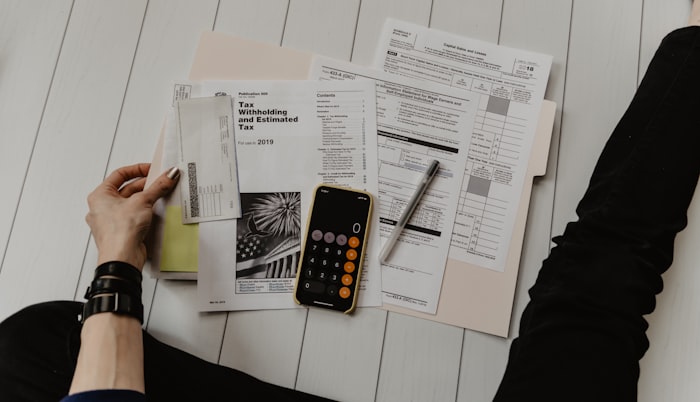
Three free, interactive calculators to plan your budget, set savings goals, and size your emergency fund. No account required.
Enter your monthly take-home income to see the recommended allocation.
These percentages are guidelines, not rules. If you live in a high-cost city, your needs may exceed 50% initially. Adjust the split to reality while working toward the ideal allocation over time.
Find out how much to save monthly to reach your goal.
Set up an automatic transfer on payday so savings move before you can spend them. "Pay yourself first."
Use a high-yield savings account — some banks offer 4–5% AER with easy access and full FSCS protection.
Name your savings accounts after their goal — "House Deposit 2027" feels more real than "Account 3."
Increase your monthly saving by just 1% each time you receive a pay rise — you won't notice the difference in lifestyle.
Calculate how much you need in your financial safety net.
Covers job loss, medical bills, car breakdowns, and home repairs without debt.
Prevents you from raiding your investment accounts during market dips.
Reduces financial anxiety and allows better long-term decision making.
Means you can walk away from a bad job — your safety net buys you options.
The best emergency fund account is one that is: instantly accessible (no notice period), separate from your everyday account, protected by your country's deposit guarantee scheme, and earning a competitive interest rate.
Do not invest your emergency fund in stocks or locked savings bonds. Availability matters more than return for this specific pot of money.
The 50/30/20 rule in depth, zero-based budgeting, and how to track every expense.
Read GuideShared accounts, budgeting for children, and how to align financially as a couple.

Read GuideEmergency funds, compound interest, index funds, and planning for retirement.

Read Guide